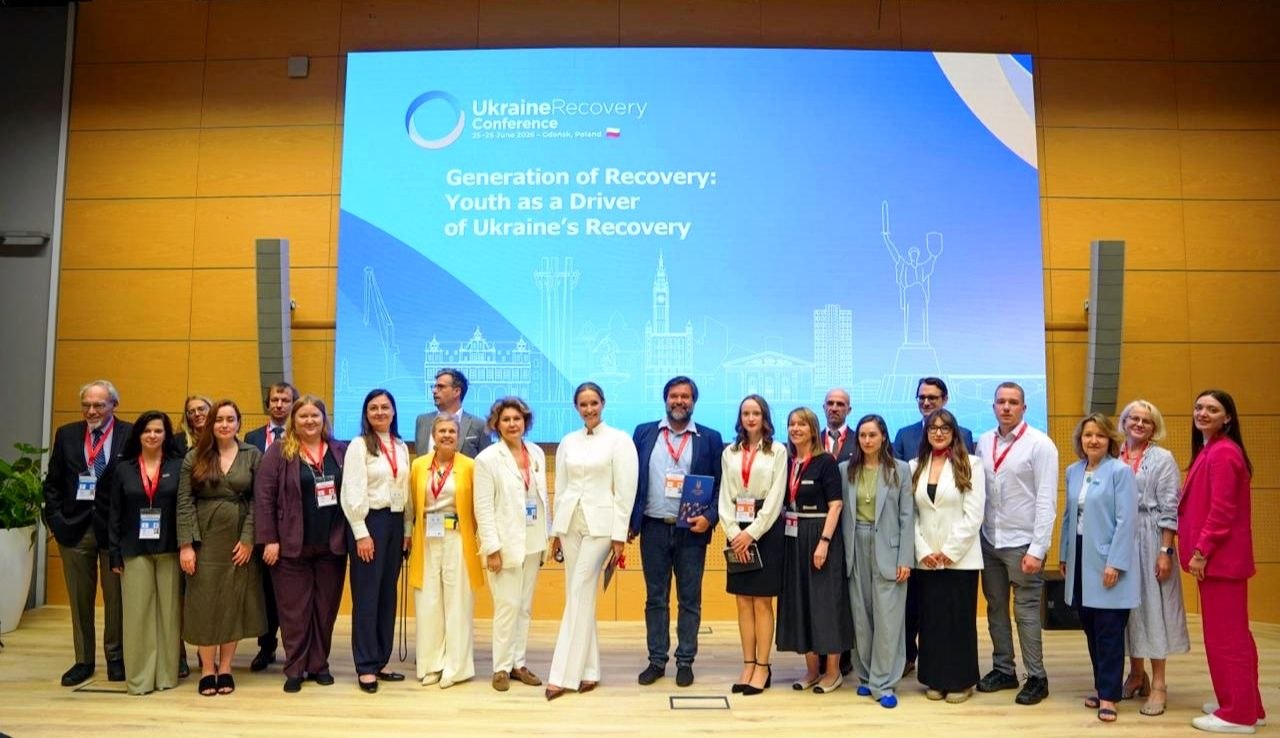
On June 11, a significant event for the future of the Ukrainian labor market took place in Kyiv.
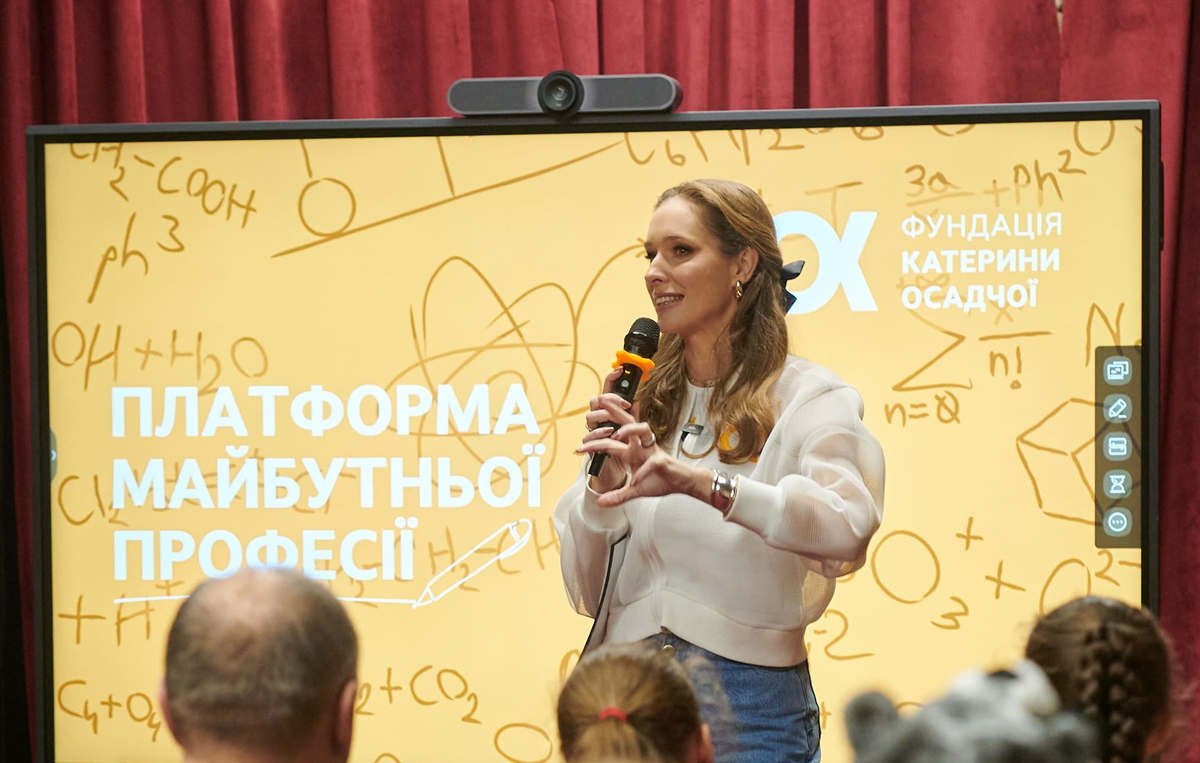
BO 'Kateryna Osadcha Foundation' presented the results of a nationwide study titled 'Youth's Professional Choice: Between Personal Future and National Needs'. The event brought together government officials, top business leaders, civil society representatives, and young people themselves to find systemic solutions for preserving Ukraine's human capital.
As the country enters a period of large-scale recovery, it requires a colossal number of qualified specialists. However, the main conclusion of the study, which involved 1015 young people aged 15–20 from all over Ukraine, proved alarming: teenagers perfectly understand the country's needs but do not see themselves fulfilling them.
To discuss this gap and develop joint solutions, key figures in the country joined the event's discussion panel:

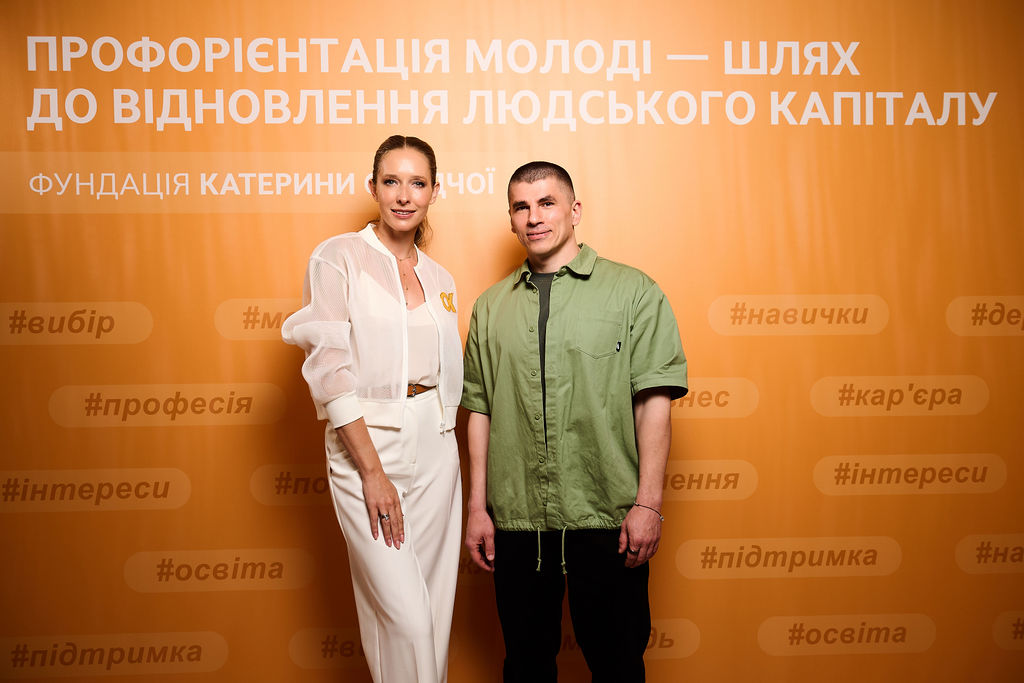
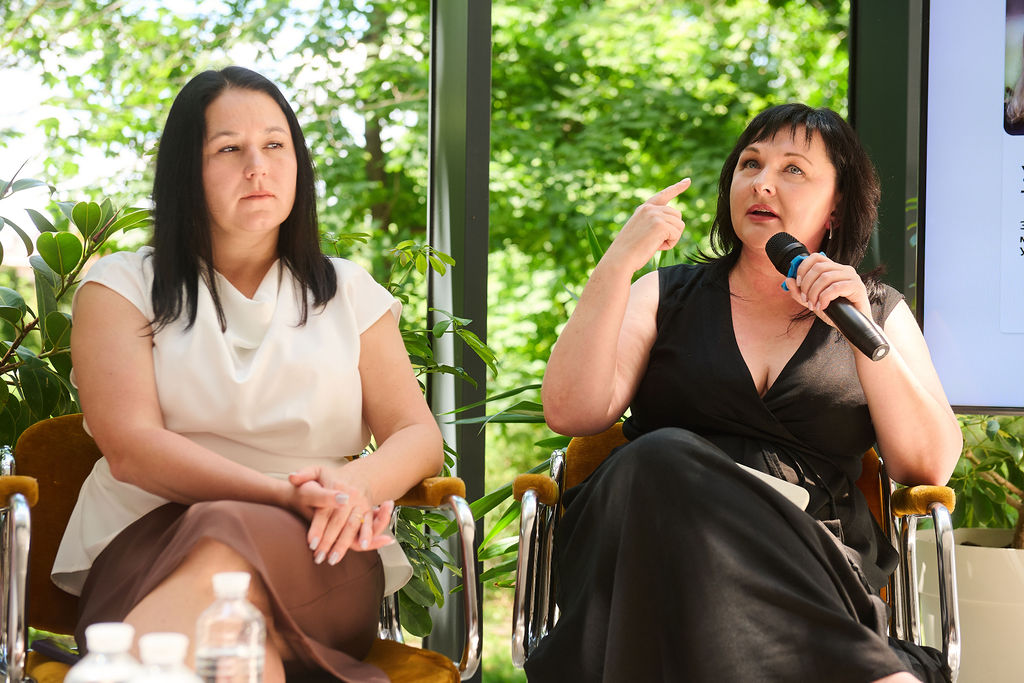
Also joining the important discussion were:

Statistics show that for 69% of respondents, career choice has already become a practical matter. At the same time, a huge disparity has emerged between strategic sectors and the actual intentions of young people:

Founder of the Foundation Kateryna Osadcha emphasized that the state and businesses must fundamentally change their approach to career guidance to overcome the invisibility of these essential industries:
"What is this profession? If I become an energy specialist, what will I have in three years, in five years? How will my career develop? As a state, we cannot afford to have teenagers only choose IT or want to become bloggers. We must make all professions attractive. If a teenager doesn't see themselves in a profession by age 15, they will never enter it. We risk rebuilding cities but losing the people who will work in them."
.jpg)
Representatives of large businesses confirmed that the fight for future talent must begin much earlier than a teenager receives their diploma, and it's necessary to work not only with the child but also with their family.
«Young people don't consciously reject "essential" professions — they simply don't see them: a teenager compares a gas pipeline to an image from TikTok and IT, and this is a competition for attention that the industry is currently losing. That's why "Naftogaz" doesn't wait for a ready graduate but gets involved earlier — with the "Energy of the Future" program, internships at 10+ universities and 4 colleges, excursions for schoolchildren, and the launch of dual education; the competition for young people isn't after graduation, but between the ages of 15–17, before they go to study abroad and stay there permanently.», — shared insights from Naftogaz of Ukraine.
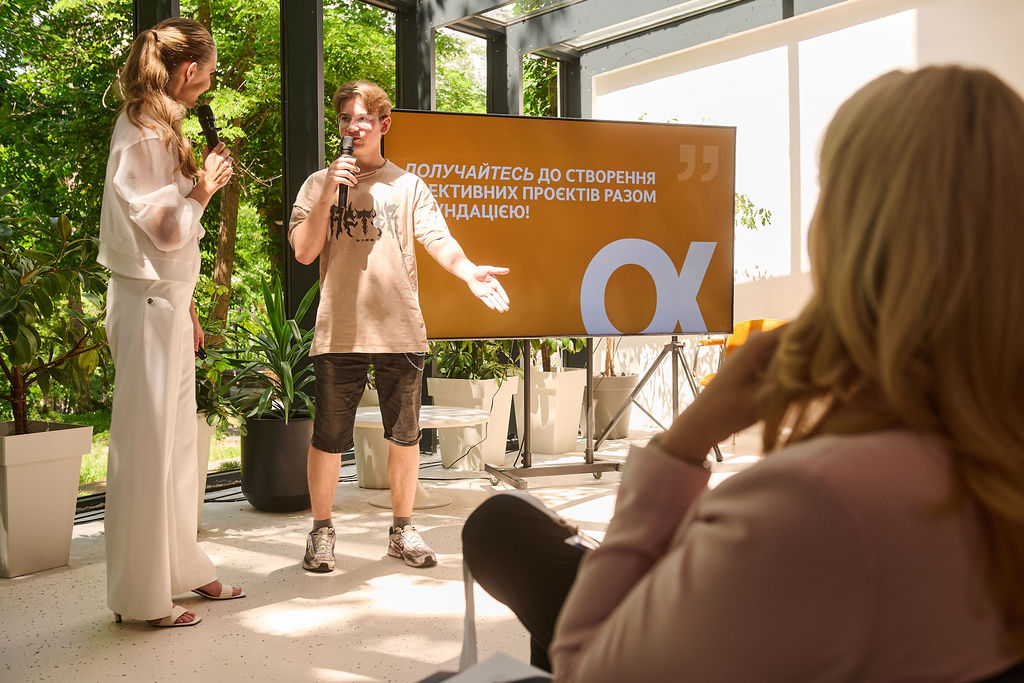
An example of how practical immersion can completely change a life's trajectory is 18-year-old Valentyn Sobkovskyi, a resident of a family-type orphanage from the Kyiv region. Thanks to the "Demo Days" Foundation's career guidance project, he was able to try his hand at a real profession and is now successfully working as a chef in a prestigious Kyiv restaurant:
"These 'Demo Days' greatly influenced my emotional state and my vision of professional cooking. In the first days, when I just started working, it was difficult for me. But I was very interested in it, learning a lot of new things. Now, when you step into the kitchen, you realize you're doing something new for your life."
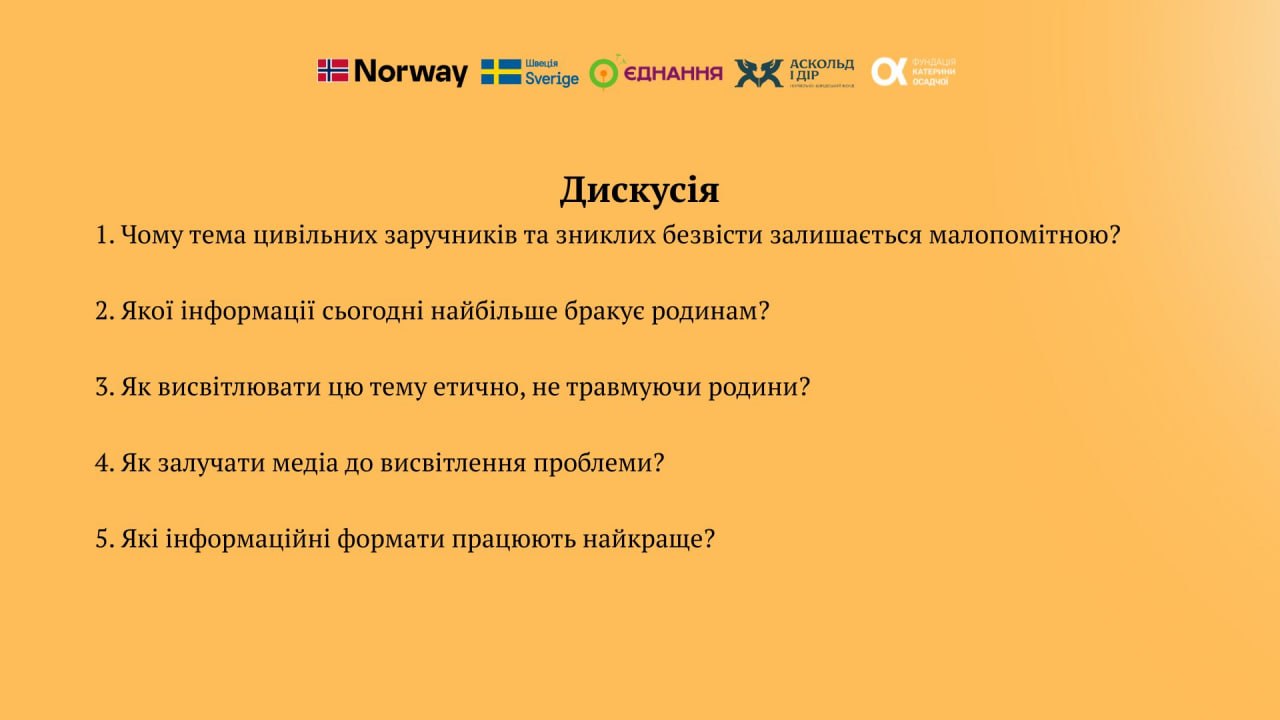
During the event, the Ministry of Economy presented its action algorithm, which is based on practical testing of professions:
"We propose five practical steps that help individuals consciously choose or change their professional path. The first is to identify a person's existing skills, strengths, and experience. The second is to correlate these skills with real demand in the labor market and understand which professions they might be needed for. The third is to address stereotypes that often limit career choices, especially for young people, women, adults, seniors, or those changing fields. The fourth and very important step is to give individuals the opportunity to test a specific profession in practice: through internships, trial days, practical training, or interaction with an employer. And the fifth is to help form a clear career trajectory: what skills need to be strengthened, what training to undergo, and what next step to take for employment," — noted Daria Marchak, Deputy Minister of Economy, Environment, and Agriculture of Ukraine.

For its part, the State Employment Center has already begun a series of regional visits to create a unified "youth-business-education-government" pathway. The main task of government officials is to find effective legislative solutions for launching official, paid internships that will protect businesses and give teenagers a safe opportunity to try themselves in real working conditions.
The Kateryna Osadcha Foundation is convinced: piecemeal projects are no longer enough — the country needs a new interdepartmental career guidance system.
The Foundation has officially appealed to the Cabinet of Ministers of Ukraine with a proposal regarding the need for a comprehensive update of the Concept of the State System of Professional Orientation for the Population, which has not been modernized since 2008 (CMU Resolution No. 842). Key initiatives include:

The nationwide study was conducted jointly with CONNECTA CONSULTING, with the support of the Askold and Dir Foundation, administered by ISAR Ednannia within the project "Strong Civil Society of Ukraine – a Driver of Reforms and Democracy," funded by Norway and Sweden.
The Foundation sincerely thanks all ministries, regional administrations, public organizations, educational institutions, and every teenager who participated in this study and helped to hear the voice of the new generation that will rebuild Ukraine!
%20(1).png)





_page-0001%20(1).jpg)